
Participatory Action Research (PAR) is a methodological approach to research that engages youth and parents as co-researchers to investigate problems directly affecting them and provide the solutions to those problems.
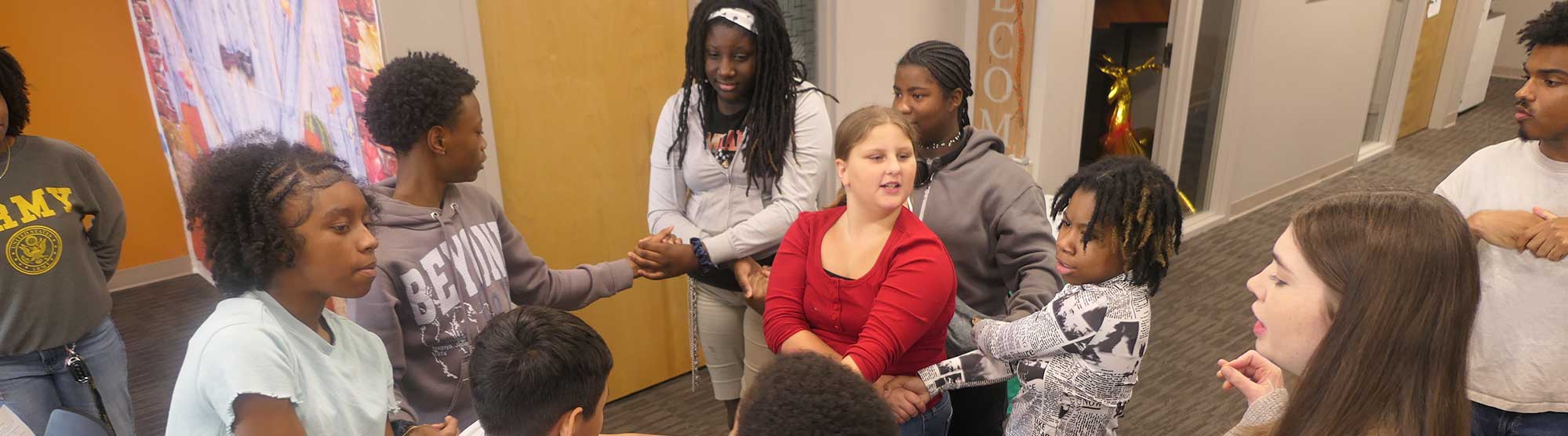
Youth Participatory Action Research (YPAR)
The Little Researchers of Creative Change (Little ROCCs) program brings together middle and high school students to conduct youth participatory action research (YPAR) in their schools, led by Dr. Jesse Chanin.
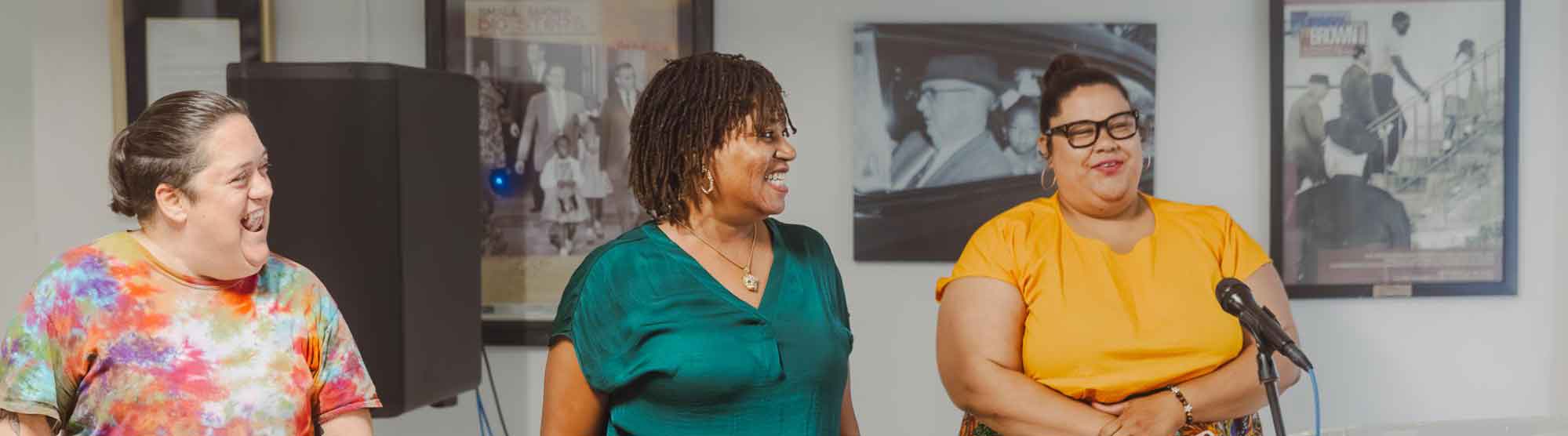
Parent Participatory Action Research (PAR) Initiative
Our Parent Participatory Action Research (PAR) Initiative brings families and schools together to design meaningful, community-driven solutions to one of the most persistent challenges in education: How can communication between families and schools be improved?
Methodology
Participatory Action Research (PAR) has been used in schools to promote policies and practices that further equity, improve student-teacher relationships, and foster dialogue across lines of race, class, age, and gender (Richards-Schuster et al., 2021). PAR can be done with people of any age and, at the Coalition, we work with both youth participatory action research (YPAR) and parent participatory action research. YPAR has been shown to be an effective method to gain insights from young people that they might not otherwise share with adults, both outside of school and within school environments (Richards-Schuster et al. 2011), including with young adolescents in middle school (Ozer, Ritterman, & Wanis, 2010; Renick & Reich, 2023). By positioning participants as researchers, PAR empowers young people to take agency over their lives and demand a voice in decisions that impact them and their communities. By leveraging PAR as an implementation driver, we can bring the voices of those most impacted into the system change conversation to join the preexisting teacher- and administrator-focused elements of our trauma-informed schools intervention.
The Coalition for Compassionate Schools believes that PAR presents one potentially fruitful route to drive the effective implementation of trauma-informed schools. This is true not only because it collects the perspectives of students’ and families’ lived experiences on how their schools could better meet their needs but, most critically, because the participants then use those findings to push for change. Best practices in research with marginalized groups require that the concept “nothing about us without us” is placed front and center. This is aligned with the trauma-informed principles of Empowerment, Voice & Choice (SAMSHA, 2022) and the core human needs of dignity and agency (Briner & McGlynn-Wright, 2021).
For more information about implementing YPAR, check out these free online curricula that we like and utilize.